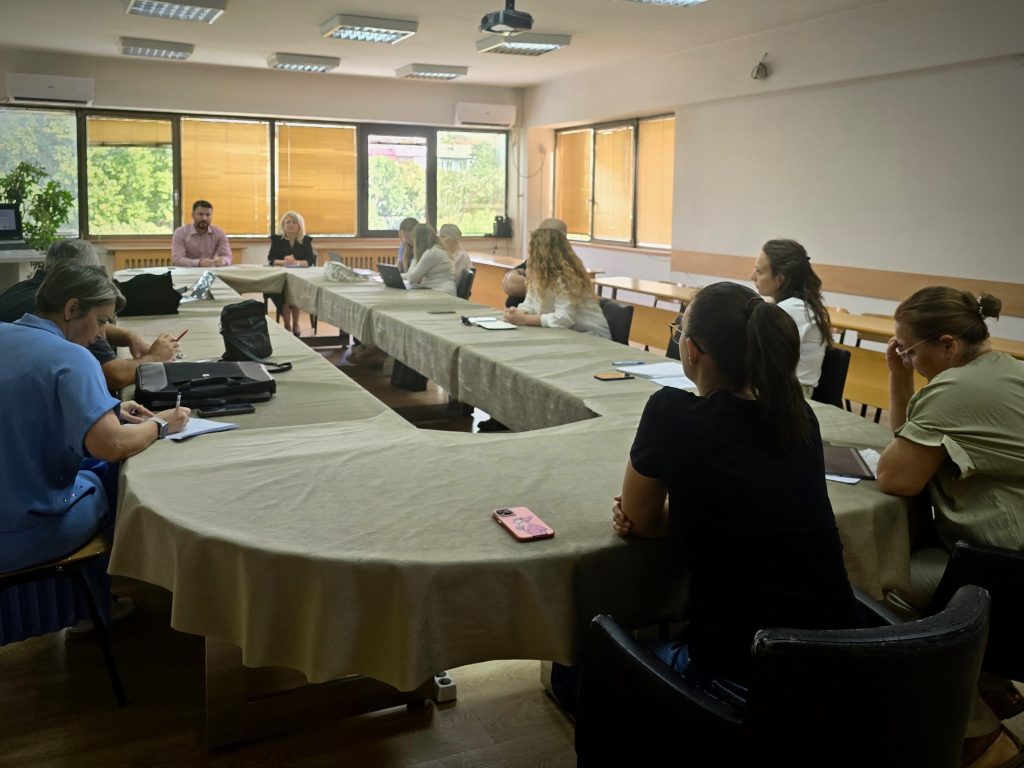
In August, the Guardian Shield project marked an important milestone: the kick-off of the implementation of the referral mechanism (P4P Policy Model) in two of its pilot municipalities—Kumanovo and Štip. With expert support from the Hedayah Center of Excellence for Countering Violent Extremism, CRPM worked closely with municipal representatives and multidisciplinary teams to create cohesion, develop action plans, and prepare the ground for operationalizing this new model.
The Referral Mechanism: Supporting Youth, Strengthening Communities
At the heart of the referral mechanism lies a simple but vital goal—to reduce the vulnerability of young people to radicalization before it escalates into acceptance of extremist narratives or violent extremism. To succeed, this approach requires more than institutional response: it demands the engagement of the whole community. Families, schools, civil society, local institutions, and frontline workers must remain vigilant and work hand in hand to help each vulnerable individual resist the “push” and “pull” factors that drive radical behavior.
The P4P Policy Model builds upon lessons learned from two earlier CRPM projects:
- Educate2Prevent (E2P) (2018–2019), which strengthened the capacities of frontline school workers and parents to build youth resilience to violent extremism.
- Passage4Prevent (P4P) (2020–2021), which explored how education can prevent youth online radicalization.
Both projects were funded by the European Union under the STRIVE Global Program, managed by Hedayah, and provided the foundation for today’s referral system.
Joint Action and Coordinated Response
The referral mechanism is designed to function on the principles of joint decision-making and coordinated action. Multidisciplinary teams—consisting of local government, schools, social services, police, civil society, and other stakeholders—work together to detect early warning signs, refer cases, and provide timely support.
Following extensive capacity-building activities with municipalities, CSOs, and multidisciplinary teams, CRPM and Hedayah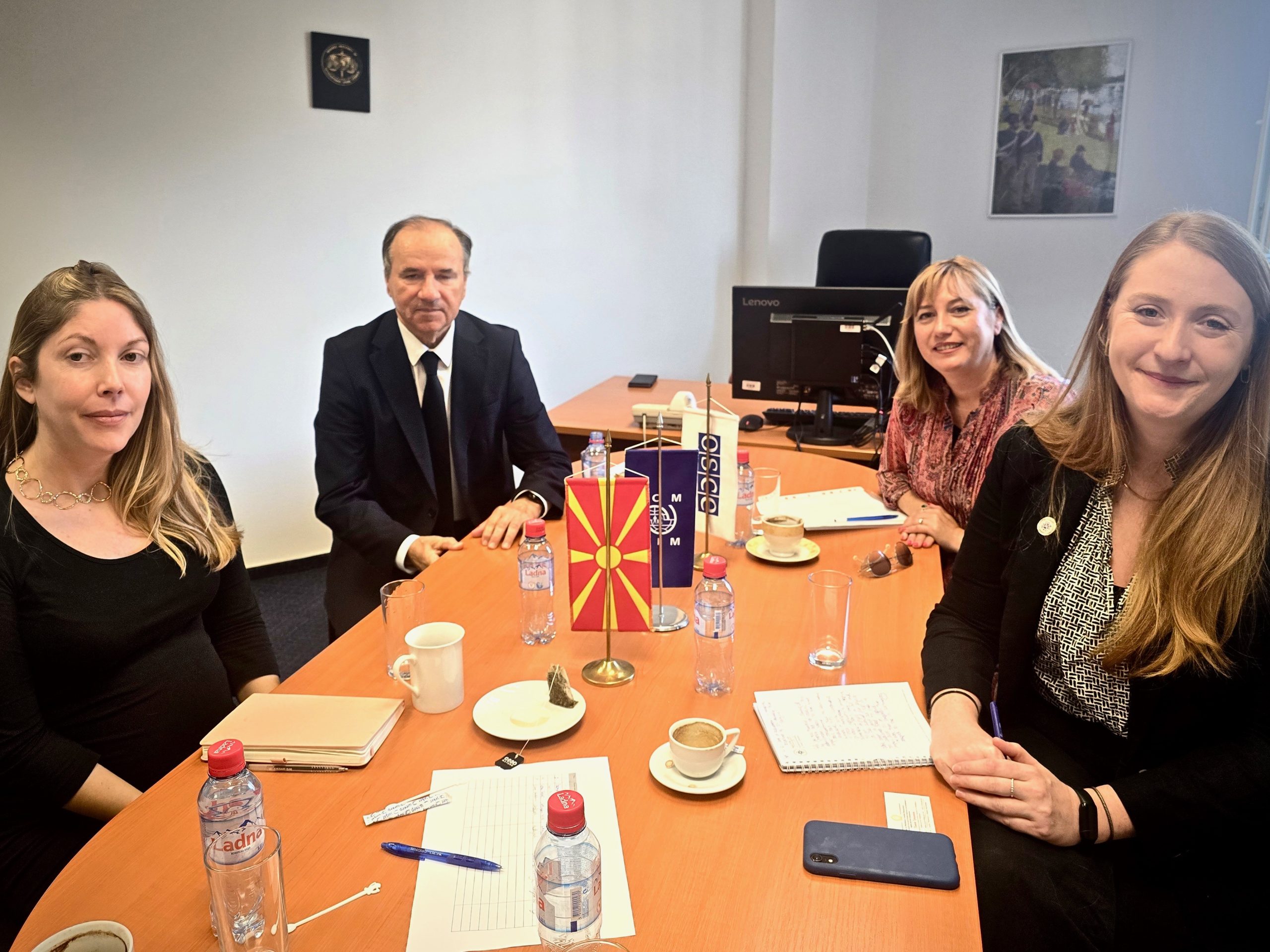 teams launched implementation in Kumanovo and Štip. Meetings with the National Coordinator, Pavle Trajanov, were also held to discuss how the model will be monitored, evaluated, and ultimately refined into a proposal for national adoption by the Government.
By piloting the referral mechanism in Kumanovo, Štip, and Gostivar, the project is contributing directly to the goals of the National Strategy for Countering Violent Extremism (2023–2027).
With municipalities now entering the implementation phase, N. Macedonia is taking a decisive step toward building a comprehensive and community-driven model for preventing radicalization and strengthening resilience at the local level.