Demographic shifts—particularly population ageing—are increasingly influencing crucial areas such as pensions, employment, healthcare, gender equality, and environmental sustainability. Understanding these trends is essential for shaping informed and future-oriented public policies.
Last week, the CRPM team, represented by Goran Miladinov and Kiril Minoski, successfully completed a research mission within the project “Articulation of Demographic Challenges of Ageing and Socio-Economic Contexts in the Western Balkans,” funded by the AFD – Agence Française de Développement.
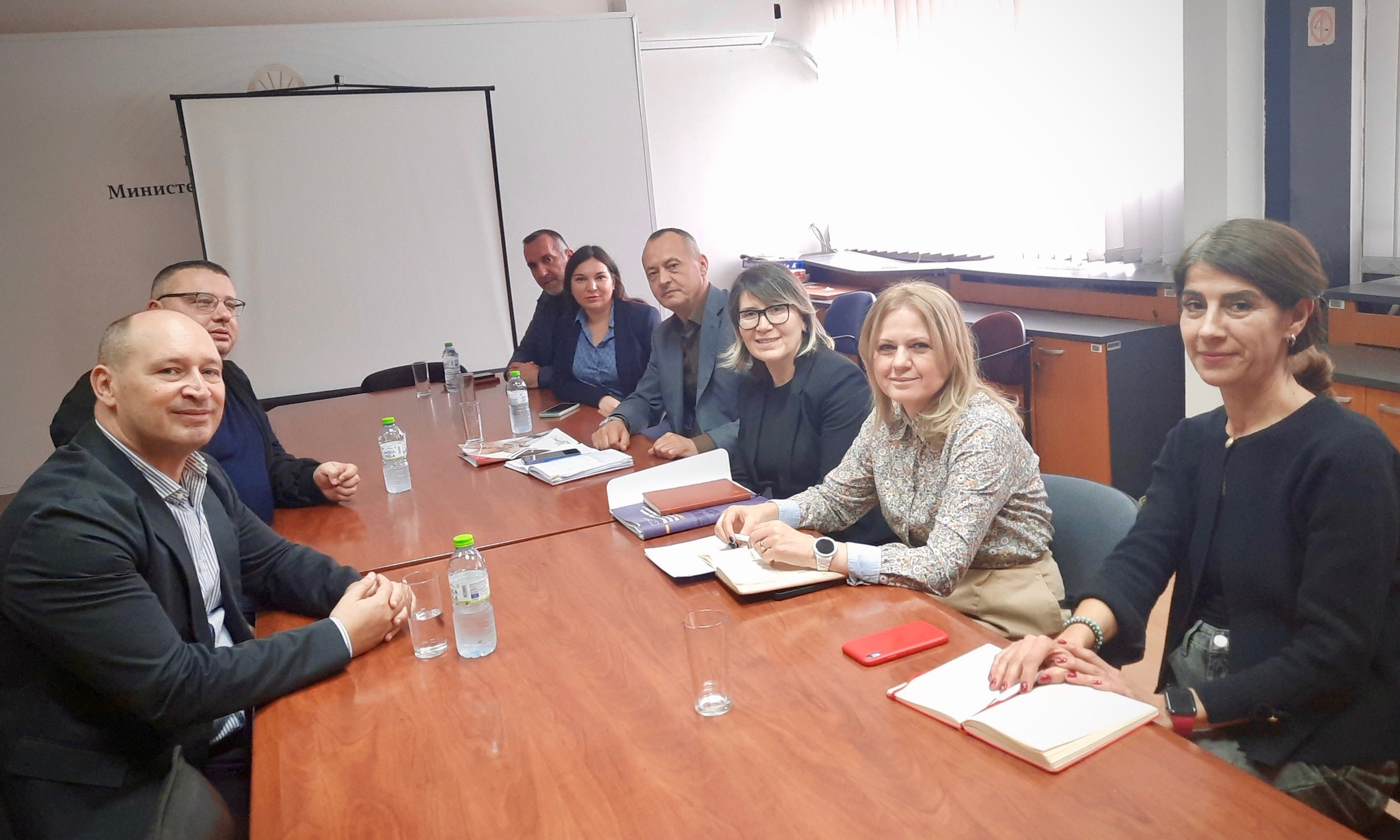
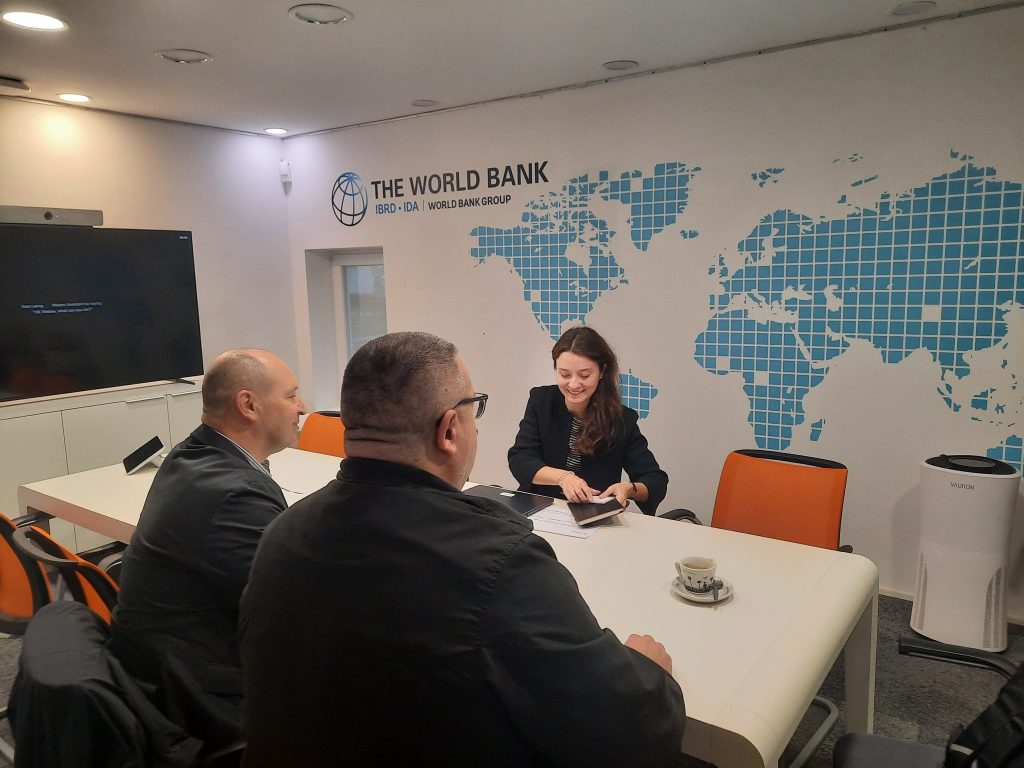
As part of the mission, the team conducted consultations with relevant national institutions and stakeholders, including:
-
Ministry of Labour, Demography and Youth
-
Economic Institute – Skopje
-
State Statistical Office
-
Pension and Disability Insurance Fund
-
World Bank North Macedonia
-
Faculty of Natural Sciences and Mathematics – Department of Geography
Our team also had the opportunity to meet Mr. Vlatko Gjorcev, National Coordinator for Demography, Youth, and Human Resources, to discuss the country’s strategies for tackling demographic issues. Additionally, we engaged with Professor Petar Atanasov, Director of the Institute for Sociological, Political and Juridical Research, to gain academic perspectives.
These meetings represent an important step in the development of the Country Study for N. Macedonia, contributing to a deeper understanding of demographic trends and their socio-economic implications.
In a constructive and collaborative atmosphere, the discussions highlighted the crucial role of reliable data and evidence-based policymaking in helping N. Macedonia address demographic challenges and turn them into opportunities for a more inclusive, resilient, and sustainable future.