
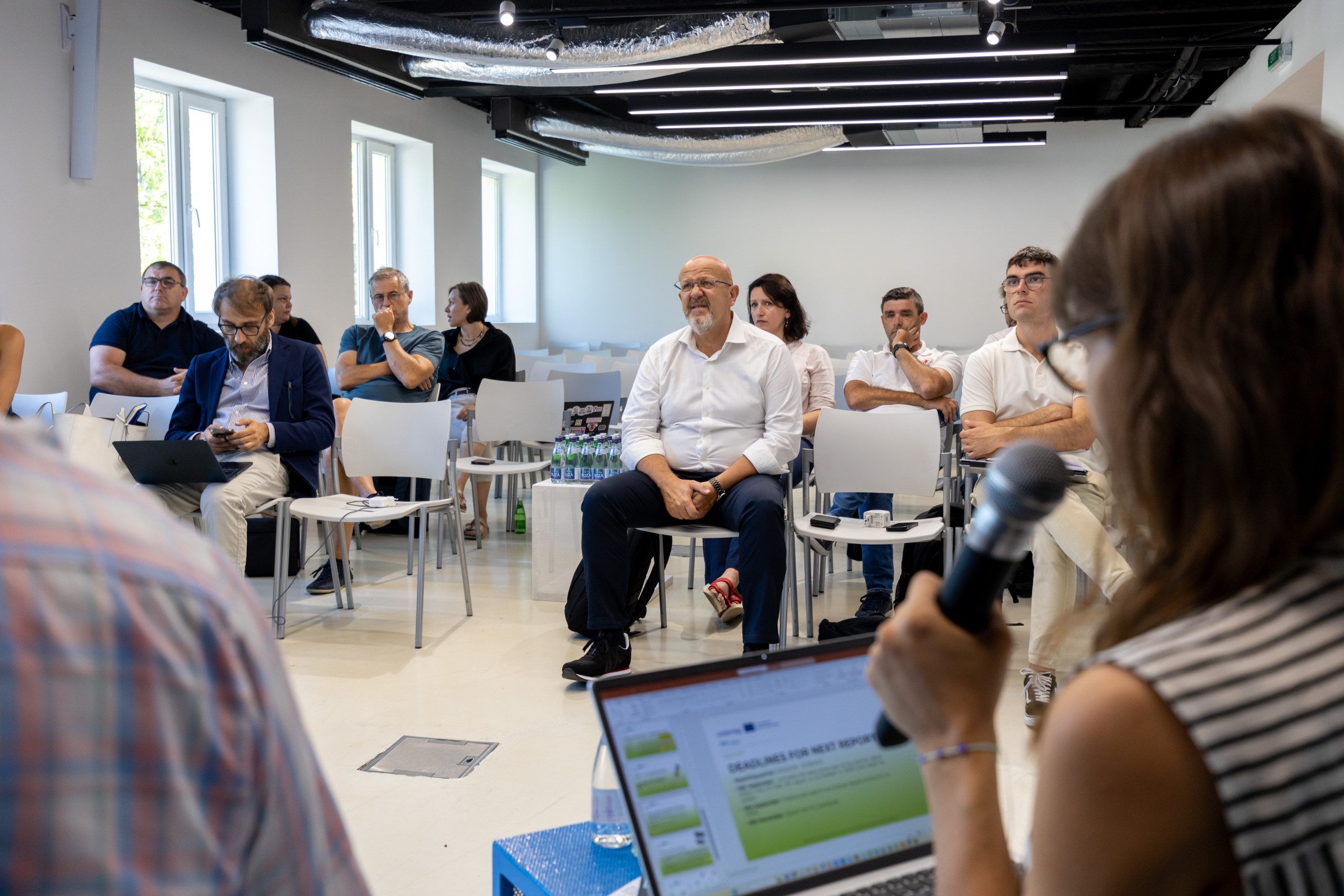
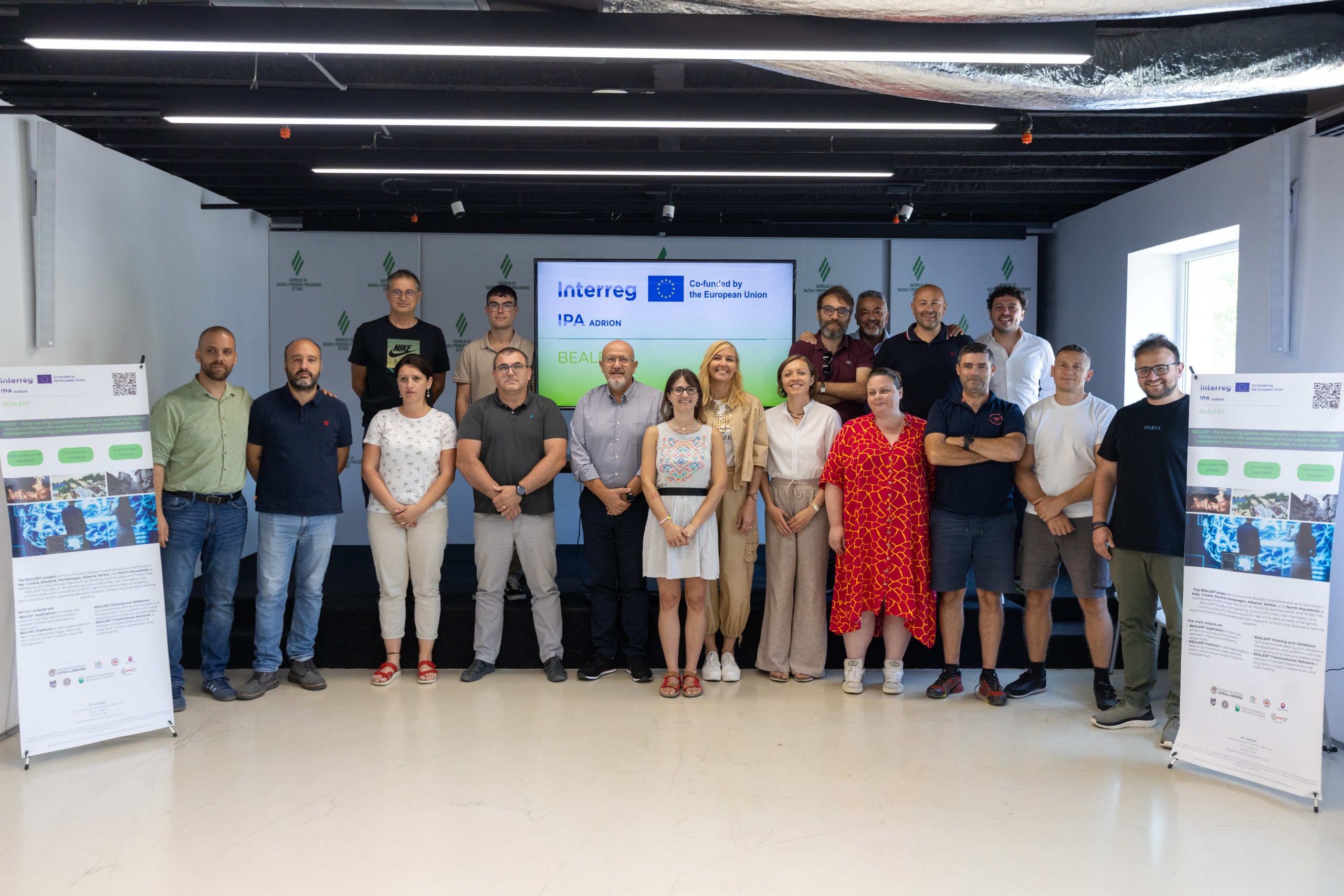
From July 23–26, 2025, the Center for Research and Policy Making (CRPM) took part in the 2nd Steering Committee Meeting and Transnational Round Table of the BEALERT project, hosted in the Old Royal Capital of Cetinje, Montenegro. The gathering brought together project partners from across the Western Balkans and the EU to evaluate progress, share national experiences, and further develop a digital platform for disaster risk reduction and early warning.
Key Highlights from the Cetinje Meeting
The agenda featured a combination of strategic sessions, technical updates, and field learning, with the following key components:
- Review of project milestones and deliverables across all work packages
- Presentation of the BEALERT Inception Report, which sets the foundation for platform development and multi-stakeholder coordination – Read the Inception Report
- Exchange of lessons learned from local stakeholder tables held in partner countries, including North Macedonia, Montenegro, Slovenia, Albania, Croatia, Italy, and Serbia
- Exploration of platform functionalities, focused on integrating alerts, risk forecasting, and real-time response tools into a user-friendly digital system
Study Visits: Learning from Nature’s Front Lines
As part of the program, participants visited two high-risk natural areas:
- Rijeka Crnojevića, near Skadar Lake – a flood-prone area where partners discussed flood mitigation infrastructure and community preparedness
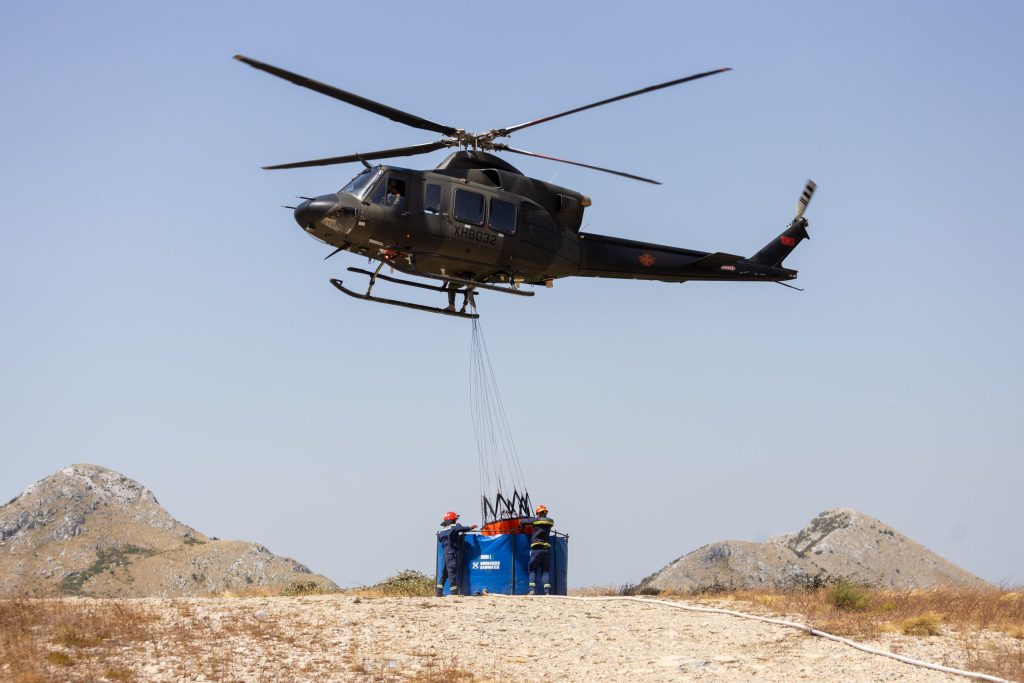
- Lovćen National Park – an area frequently affected by wildfires, used as a case study to explore fire risk management strategies and cross-institutional coordination
These field visits underscored the urgent need for adaptable, location-specific early warning systems and collaborative approaches to risk management.
CRPM’s Contribution: Insights from Gostivar
During the Transnational Round Table, CRPM presented findings from the stakeholder table organized in the Municipality of Gostivar, North Macedonia. The workshop brought together local government, civil protection services, the Red Cross, the police, the Crisis Management Center, and other actors involved in disaster preparedness and response.
Key takeaways included:
- Forest fires were identified as the most pressing local hazard
- Strong institutional engagement was noted, but stakeholders emphasized the need for clearer division of roles and improved coordination
- Broad support was expressed for a real-time, map-based digital platform that enables alerts, forecasting, and resource tracking
- A clear call emerged for 24/7 notification capability and improved data-sharing protocols among institutions
These insights highlight the importance of community-level dialogue and institutional cooperation in shaping the design and functionality of the BEALERT platform.
Moving Forward
The BEALERT meeting in Cetinje served as a powerful reminder that local institutions are ready and willing to engage in digital transformation for disaster risk reduction. What they need now are the right tools: platforms that are responsive, inclusive, and designed with their real needs in mind.
CRPM remains committed to amplifying local voices and ensuring that digital innovation in disaster risk management is informed by on-the-ground realities.
Stay tuned for more updates from the BEALERT project as we continue to build a safer, more resilient future—together.
BEALERT is co-funded by the European Union through the Interreg IPA ADRION programme.