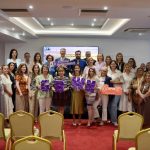
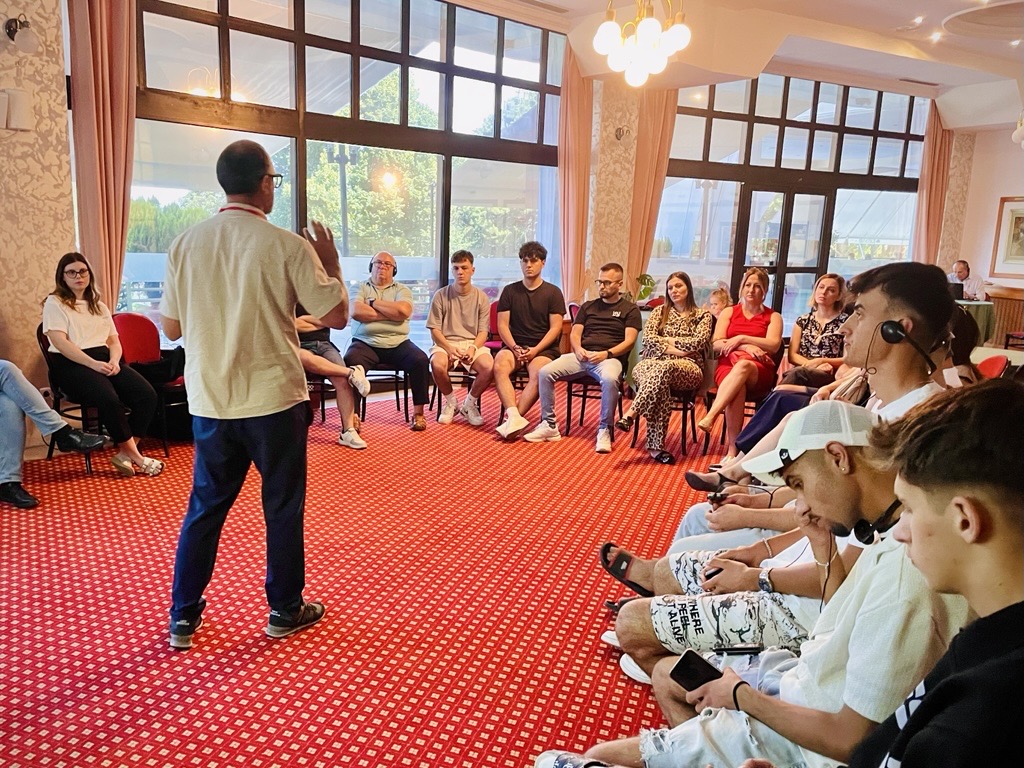
Representatives from civil society organizations (CSOs) from Štip, Kumanovo, and Gostivar gathered in Ohrid for a three-day training program designed to enhance local efforts to prevent radicalization of young people through operational referral mechanism. The event was part of a broader initiative to strengthen multi-sectoral approach in identifying, supporting, and referring individuals—especially youth—at risk of radicalization and violent extremism.
Strengthening the Role of Civil Society in Early Prevention
The training opened with remarks from CRPM Directress Marija Risteska and expert Sara Osmani, emphasizing the importance of early detection and multi-stakeholder collaboration in tackling radicalization at the local level. Participants worked in groups to explore push and pull factors influencing youth vulnerability and engaged in hands-on exercises to identify early warning signs.
An interactive session on risk assessment introduced scenarios that simulate real-world situations and strengthen participants’ analytical skills. The group also discussed engagement strategies tailored to youth experiencing isolation, identity crises, or exposure to extremist narratives.

Focusing on Youth-Centered Approaches
Day two, led by expert Kadri Gashi, focused on understanding and supporting youth at risk. Through World Café discussions and experiential exercises, CSO representatives explored stereotypes, emotional triggers, and behavioral challenges commonly faced when working with young people. Participants gained practical skills in communication, empathy, and emotional regulation—essential tools when engaging youth who may display signs of radicalization, distrust, or frustration.
The training also introduced strategies for maintaining motivation, self-regulation, and positive reinforcement when working with difficult cases, particularly those involving youth who are demotivated or express extreme views.
Building Effective Referral Mechanism
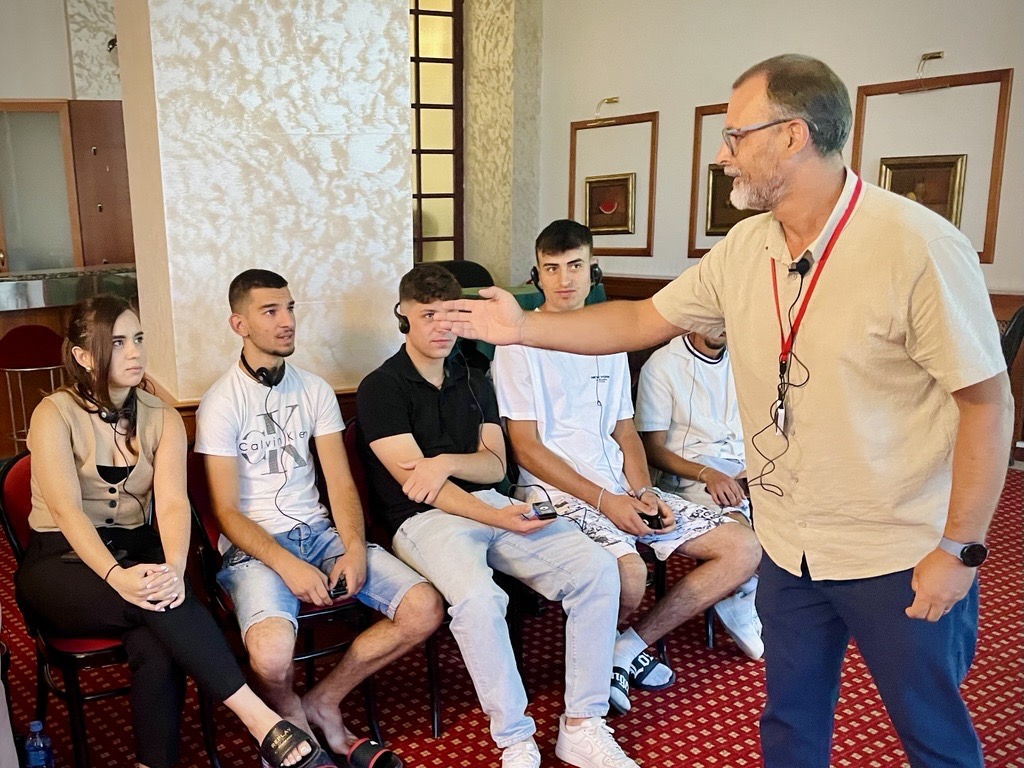
On the final day, expert trainers Aleksandar Cekov and Elena Grozdanova introduced the three core Standard Operating Procedures (SOPs) for referrals:
- SOP I: Identification, Initiative, and Referral – focused on recognizing early signs, documenting concerns, and initiating institutional coordination.
- SOP II: Coordinated Support and Assistance – outlining how to build individualized support plans using psychological, educational, and social resources.
- SOP III: Monitoring and Evaluation – emphasizing the importance of regular case reviews, feedback loops, and cross-institutional accountability.
Participants practiced completing referral and risk assessment forms, engaged in scenario-based exercises, and discussed the importance of ongoing evaluation to ensure that interventions are effective and responsive to individual needs.

This training marked an important milestone in localizing efforts to prevent violent extremism and fostering trust-based collaboration between CSOs, local governments, and educational institutions. Participants left better equipped with the knowledge, tools, and frameworks needed to recognize vulnerability, act early, and guide individuals toward safe, supportive alternatives.