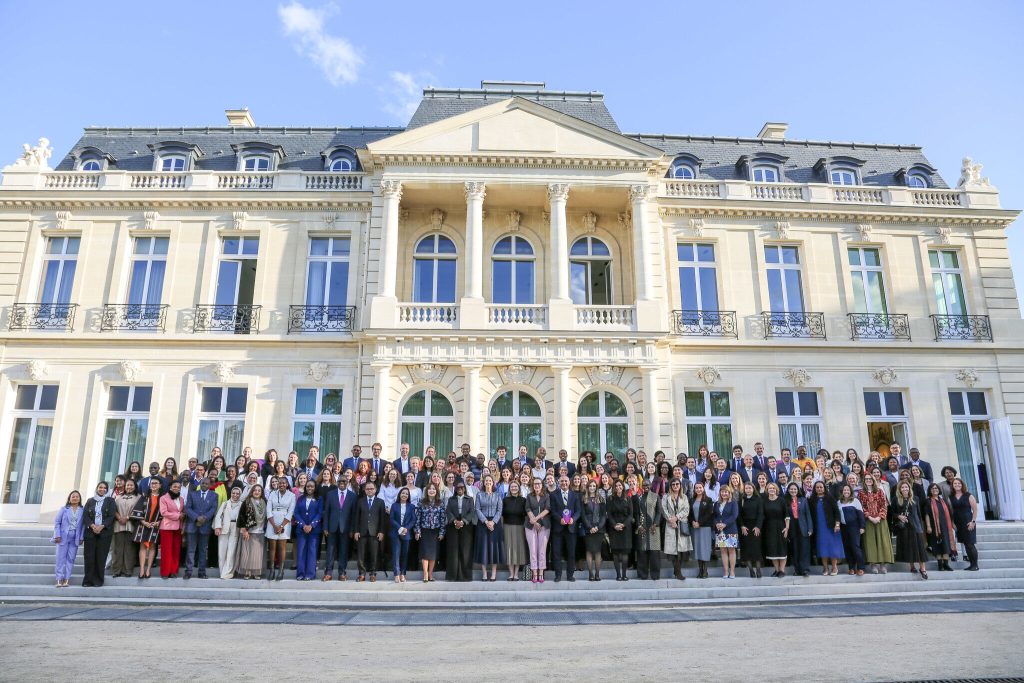

How can financial institutions turn commitments to women entrepreneurs into better access to finance? At the WE Finance Code Global Forum 2026 in Paris, Marija Risteska facilitated a discussion on the leadership, institutional changesand accountability needed to make that happen.
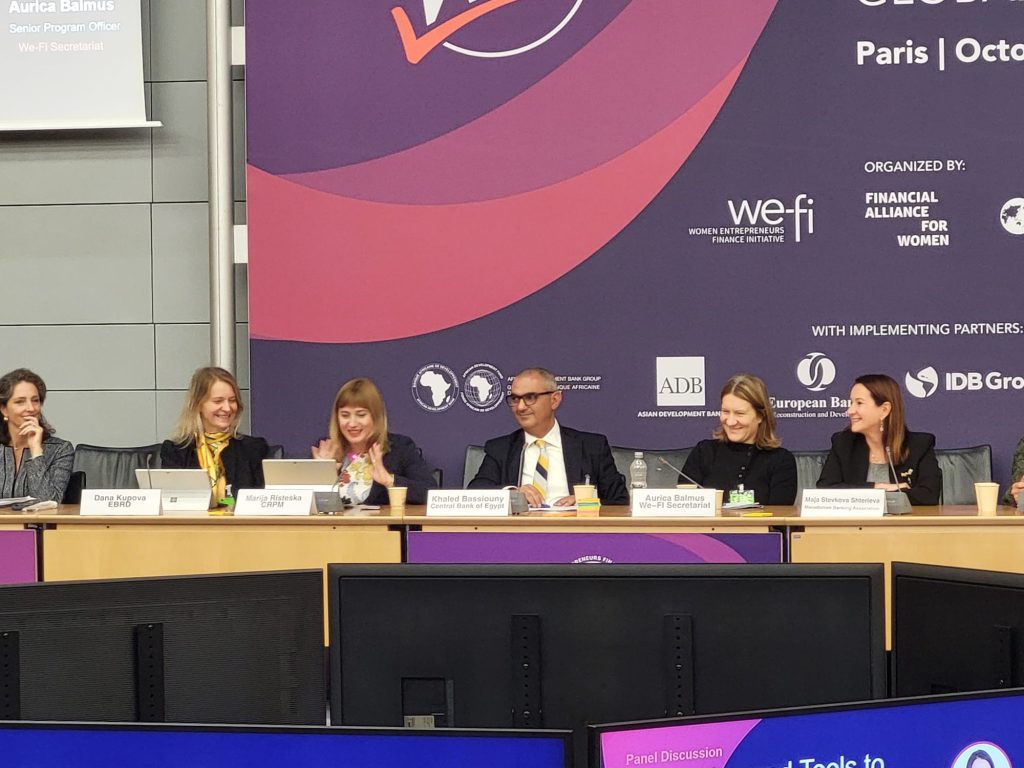
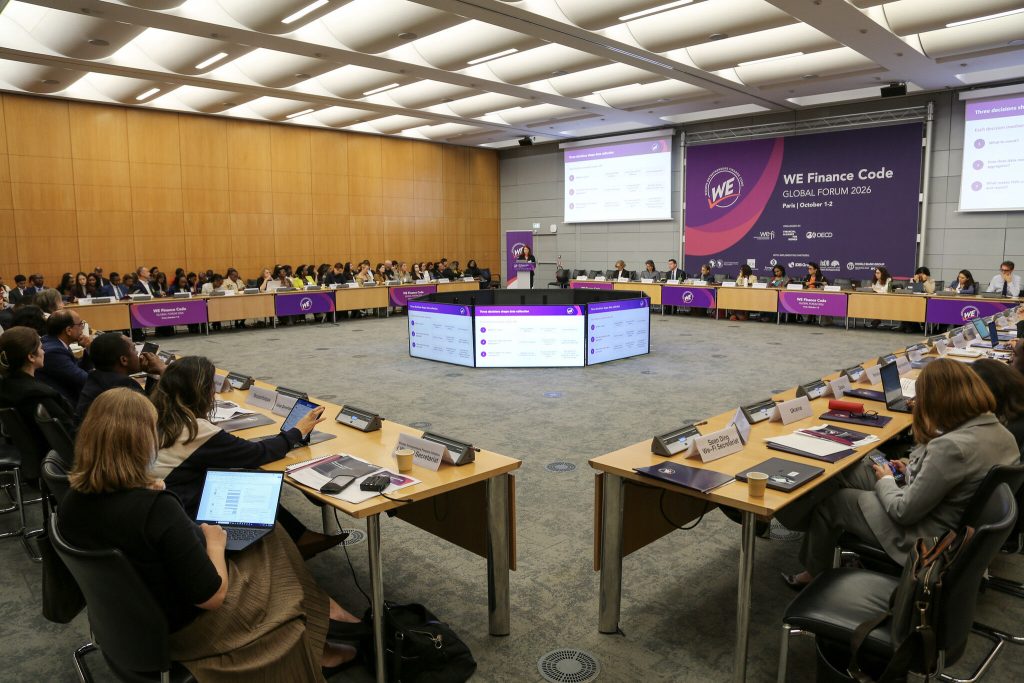
On 1 October, Dr. Marija Risteska, Executive Director of the Center for Research and Policy Making and team leader for Frankfurt School of Finance and Management’s WE Finance Code implementation assignment, moderated the session “Strategies and Approaches to Support Quality Action Commitments.” Part of the Forum’s Leadership & Action Track, the session brought together national coordinators, financial institutions and international partners to explore how commitments can delivermeasurable improvements for women entrepreneurs.
The discussion began with a practical challenge: signing the Code is only the beginning. Institutions must then decide what they will change, who will deliver it, which resources they will allocate and how they will measure progress.
Risteska structured the conversation around three stages: making credible commitments, sustaining them within institutions and national coalitions, and translating them into results.
Building commitments that institutions can deliver
The panel brought together Maja Stevkova Shterieva of the Macedonian Banking Association and Komercijalna Banka; Khaled Bassiouny of the Central Bank of Egypt; Chantal Korteweg of the Netherlands’ Code-V; Gabriela Eguidazu of BBVA MicrofinanceFoundation; Dana Kupova of the European Bank for Reconstruction and Development; and Aurica Balmus of the We-Fi Secretariat.
The exchange highlighted the importance of combining senior leadership support with the involvement of operational teams. Ambition needs to be backed by resources, clear responsibilities and changes in everyday practices, including creditassessment and service delivery.
Macedonia’s experience illustrated the value of an active national coalition. Cooperation among stakeholders and working groups has generated 115 commitments, demonstrating how a coordinated approach can help institutions identify concretecontributions to the Code’s objectives.
Experiences from Egypt, the Netherlands and BBVA Microfinance Foundation added complementary perspectives: building institutions’ capacity to formulate commitments, using peer learning to maintain momentum, and integrating financing withadvisory services and training. The discussion also addressed the need to examine potential bias in decision-making and embed women’s financial inclusion in institutional strategies.
Using data to identify barriers and guide action
The Forum’s wider discussions reinforced why these commitments matter. OECD baseline findings presented across 15 reporting countries pointed to persistent financing gaps: women-owned SMEs received smaller average loans, while their non-performingloans represented a lower proportion of outstanding lending.
These findings call for closer examination of the barriers women face throughout the financing journey. Differences in national definitions limit direct comparisons, and information on applications and approvals remains less available thandata on existing customers and outstanding loans. Understanding who applies, who withdraws and who receives approval is essential to identifying where exclusion occurs.
Participants also explored how reporting can create value for financial institutions. Personalised feedback, benchmarking and market analysis can help banks identify underserved customers and develop products that respond to their needs.Quantitative data should be complemented by women entrepreneurs’ experiences, including difficulties meeting documentation requirements or finding information about available support.
Turning international learning into regional action
The forum included collaborative exercises designed to gather participants’ recommendations on the essential features of quality commitments, the conditions that support implementation and the warning signs that commitments may remain aspirational.For the Western Balkans, the discussions offer practical directions: strengthening data on loan applications, helping financial institutions interpret their results, and connecting financial products with advisory support and investment readiness. Clear objectiveshould be kept for the future implementation of the initiatives: commitments should lead to changes that women entrepreneurs can experience—more accessible finance, more responsive services and stronger opportunities to grow their businesses.
Learn more about the WE Finance Code Global Forum 2026.