
24–27 August 2026 | Ohrid, North Macedonia
What happens when gender-responsive budgeting moves beyond policy documents and becomes a space for people to question, learn, connect and build things together?
That was at the heart of this year’s Gender Budget Watchdog Network (GBWN) Annual Meeting and GRB Community of Practice, held from 24 to 27 August in Ohrid, North Macedonia. Under the theme “Strengthening University-CSO Collaboration for Gender-Equal Societies,” the gathering brought together civil society organisations, researchers, academics and partners to explore how evidence, public finance and collaboration can contribute to more equal societies.
For GBWN members, the gathering was also an important moment to look ahead. As the Network enters a new phase of development, members reflected on how to strengthen its sustainability, membership and resources, while keeping its core purpose firmly in focus: using public finance as a tool for greater equality, accountability and social change.
The Annual Meeting also marked an important step in the Network’s governance. Members confirmed the new Executive Committee and discussed changes to the GBWN Statute, alongside the responsibilities and priorities that come with the next phase of the Network’s work.
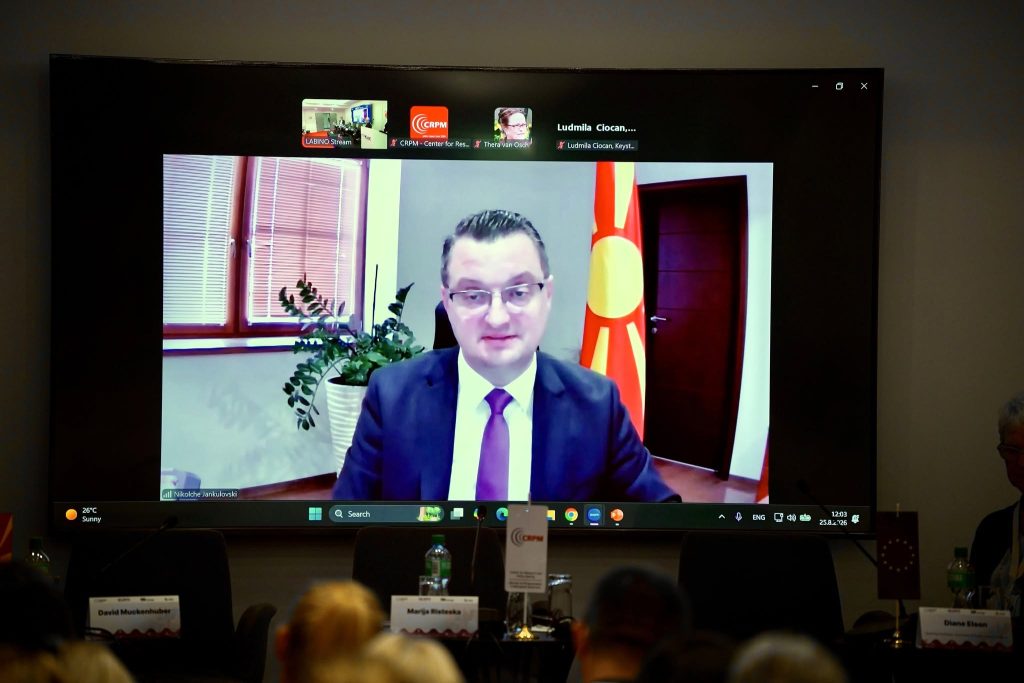
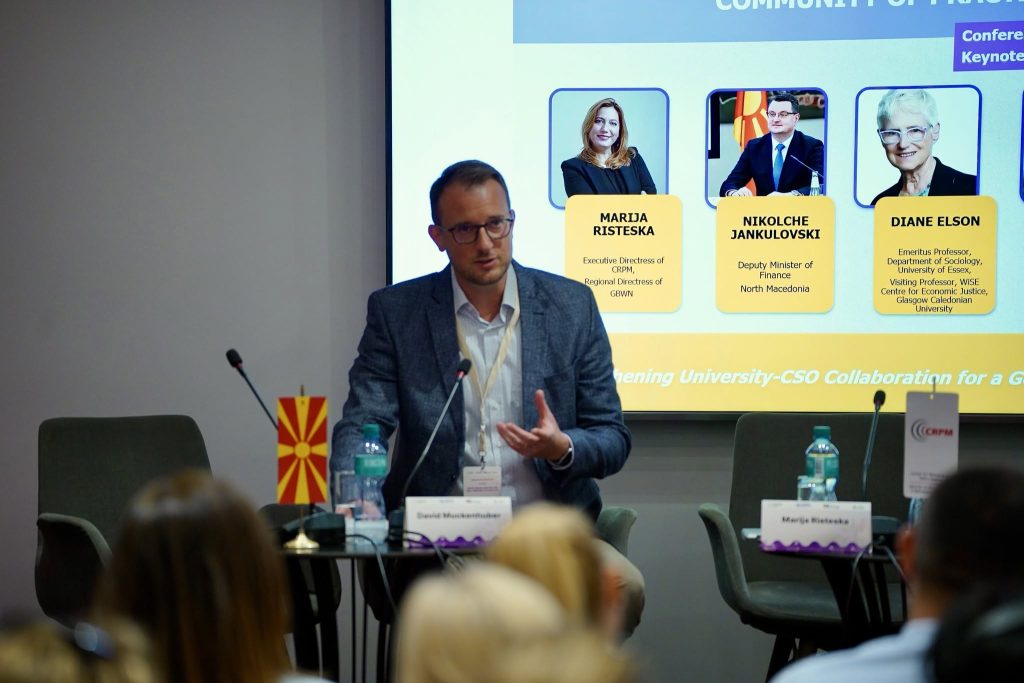
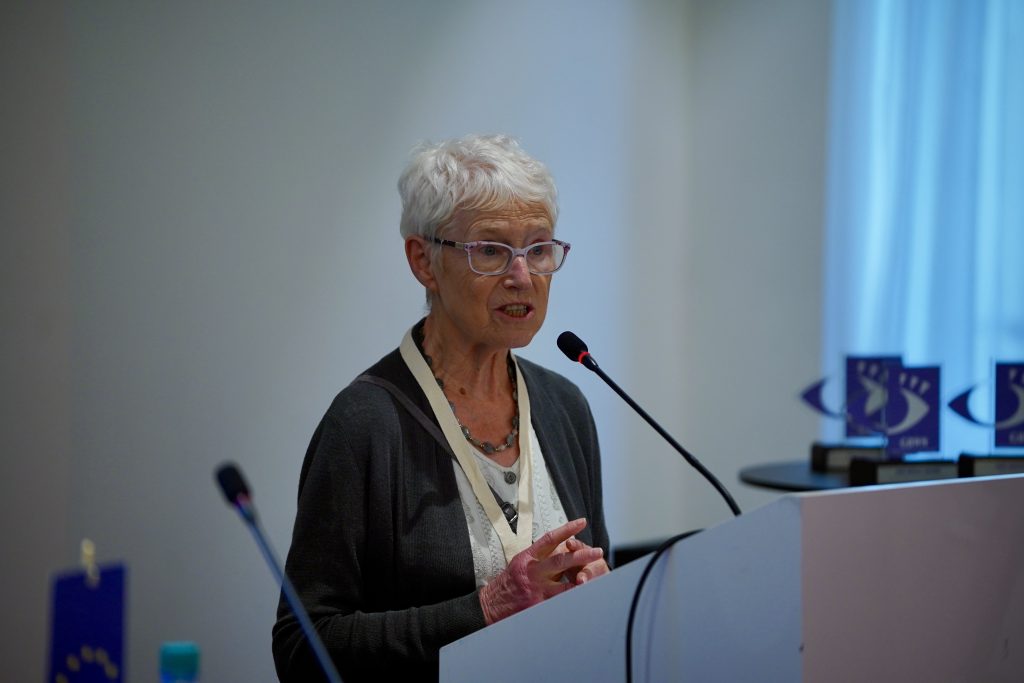
The GRB Community of Practice opened with reflections from four speakers who brought different but complementary perspectives to the conversation: Marija Risteska, CRPM Executive Directress, Nikolche Jankulovski, Deputy Minister of Finance of North Macedonia; Diane Elson, Emeritus Professor at the University of Essex and Visiting Professor at the WiSE Centre for Economic Justice at Glasgow Caledonian University; and David Muckenhuber, Head of the Regional Coordination Office of the Austrian Embassy for Albania, Montenegro and North Macedonia.
Their contributions set the tone for two days of discussions on what it takes to move gender-responsive budgeting from policy commitments into meaningful change. With perspectives spanning public finance, academic research and international cooperation, the opening highlighted the importance of keeping gender equality at the centre of decisions about public resources and of connecting policy, evidence and practice.
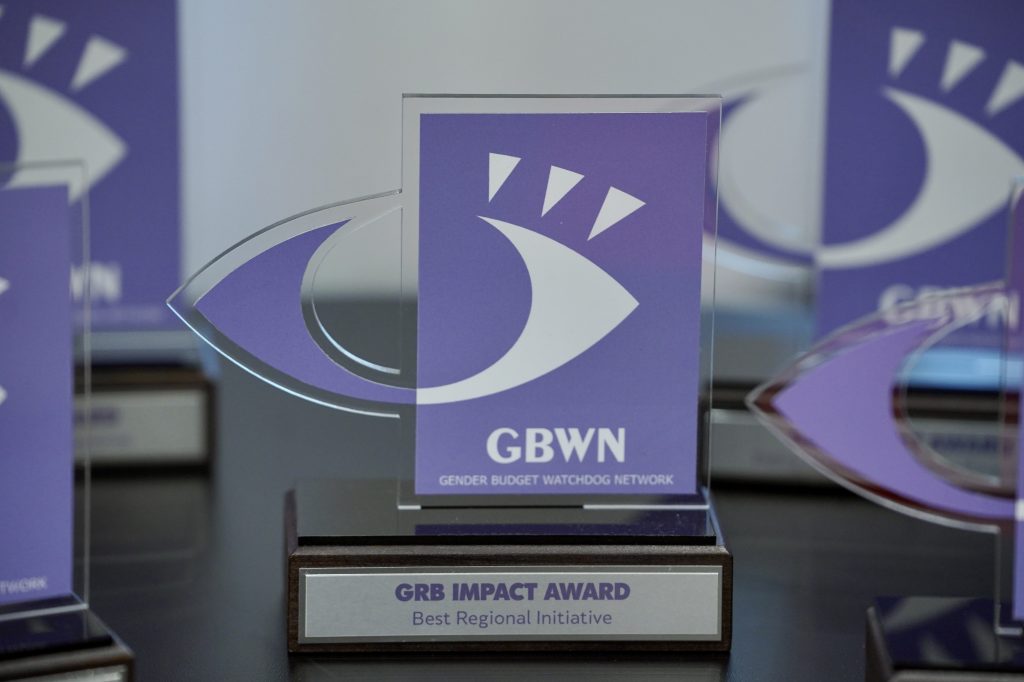
The opening also featured the GRB Impact Award, recognising the impact of GBWN Members that is helping make gender-responsive budgeting more visible and meaningful in practice.
Change does not happen through budgets alone, but through the people, institutions and partnerships that shape them!
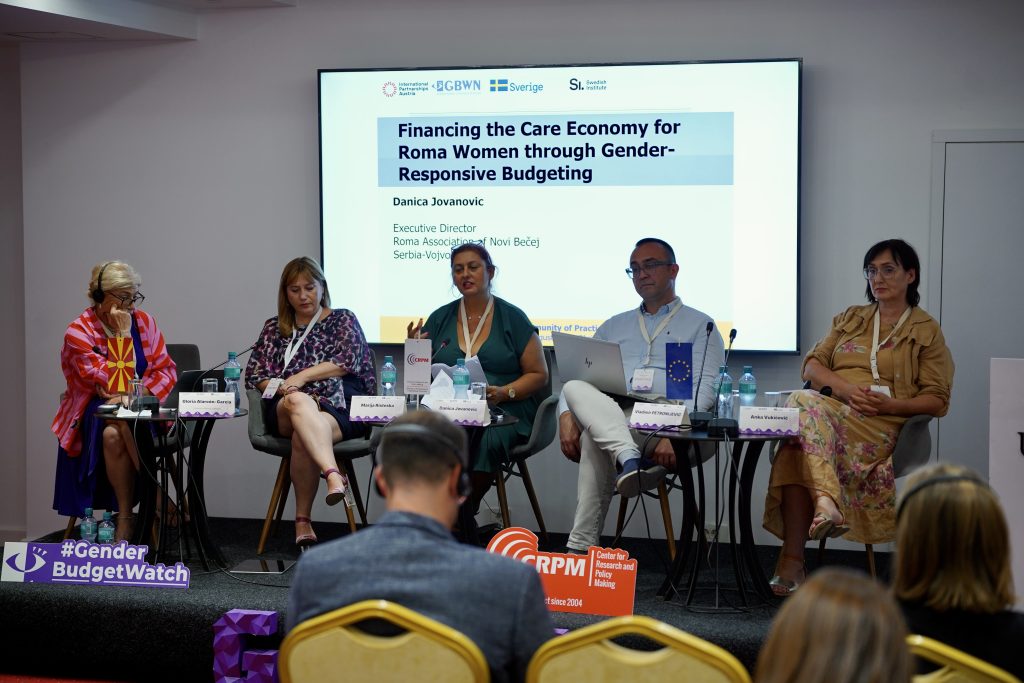
One of the strongest themes throughout the Community of Practice was the care economy. The discussions of the first panel asked a question that is still too often missing from economic policy: what happens when the unpaid and paid work of caring is treated as a central part of our economies rather than as something happening in the background?
Speakers connected gender-responsive budgeting with long-term care, the wellbeing of caregivers, workforce needs and social and ecological justice. Experiences from Albania, North Macedonia, Serbia and beyond showed how decisions about care systems are also decisions about whose time, work and wellbeing are recognised and supported.
The conversation also moved to the other side of the budget equation. Through the “Who Pays, Who Benefits?” GRB Advocacy Lab, participants explored revenue and taxation through a gender lens, a reminder that gender-responsive budgeting cannot focus only on how governments spend money. It also needs to ask who contributes, who benefits and who is left carrying the cost.
A particularly important thread throughout the gathering was the relationship between academia and civil society. In practice, universities and CSOs often have much to offer each other. CSOs are close to communities, understand lived realities and generate valuable evidence through their work. Universities bring research expertise, analytical tools and opportunities to develop that evidence further. Yet these partnerships are still too often dependent on individual relationships rather than supported by lasting institutional structures. The Community of Practice made this challenge tangible. The second day opened with a discussion panel in which the speakers shared examples of what becomes possible when research and civil society knowledge meet through evidence-based advocacy, gender-responsive policy, access to contraception, climate finance and public accountability.
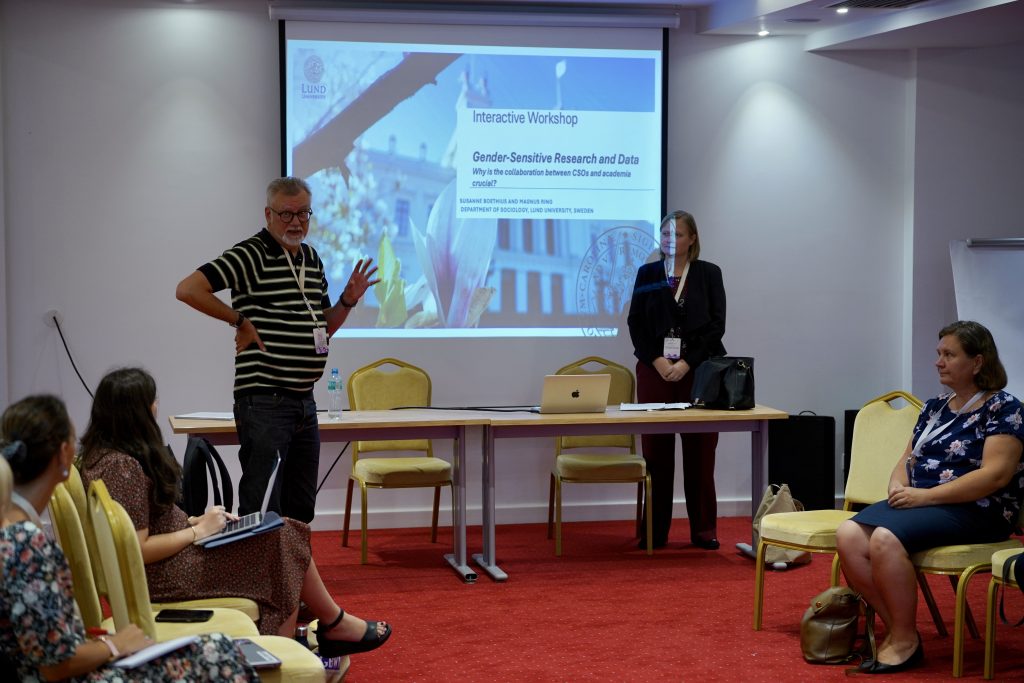
Later in the day, the conversation then moved from why collaboration matters to a more practical question: what would a model for sustained collaboration actually look like? In an interactive workshop led by Lund University, participants worked on the design of a Gender Equality Research Hub as a potential model for bringing universities and CSOs together around research, evidence and advocacy for gender equality. Rather than creating another structure for its own sake, the focus was on designing something useful: a space where knowledge can move in both directions, where research can respond to real-world needs, and where civil society experience can help shape the questions researchers are asking.
The second half of the day looked at another major focus was the growing intersection between gender-responsive budgeting and climate finance. As climate investments increasingly shape infrastructure, transport, energy and local development, the question is no longer whether climate finance is gender-neutral. It is whether investments are being designed with an understanding of how climate policies and spending affect different groups of people — and whether civil society has the information and space needed to hold decision-makers accountable. Examples from the Western Balkans, Moldova, Romania and further afield showed both the missed opportunities and the possibilities for doing things differently. From inclusive mobility and municipal climate finance to sustainable infrastructure, participants explored how gender can be embedded into climate investment decisions from the beginning, rather than added as an afterthought.
For GBWN, this connection is particularly important. Gender-responsive budgeting and climate finance monitoring are increasingly becoming part of the same conversation: who decides, who benefits and whose needs are visible in public investment.
The final thematic session turned to the women’s economy and women’s entrepreneurship, looking at some of the barriers that continue to shape women’s access to finance and economic independence. The discussion touched on gender-balanced governance in public enterprises, financing women entrepreneurs, women’s position in the labour market, and the potential and challenges of digitalisation and AI as tools for women’s economic empowerment. The message was not simply that women need better access to existing financial systems. It was also about questioning whether those systems themselves are designed around the realities of women’s lives and economic participation.
Of course, GRB Community of Practice is about more than panels and presentations. The informal conversations over coffee, meals, walks around Ohrid and time spent together outside the formal programme created just as much space for exchange as the sessions themselves. People compared experiences from their countries, discovered common challenges, shared ideas for future research and advocacy. That sense of connection is one of the things GBWN wants to carry forward.
The Ohrid gathering was not designed to produce all the answers. Instead, it created a space to ask better questions and to build relationships that can help turn those questions into action.
As participants left Ohrid, the next steps were already taking shape: stronger cooperation between universities and CSOs, new research and advocacy ideas, continued monitoring of public and climate finance, and a Network ready to enter its next phase with a stronger ecosystem around it.
Because gender-responsive budgeting is ultimately not only about budgets…