
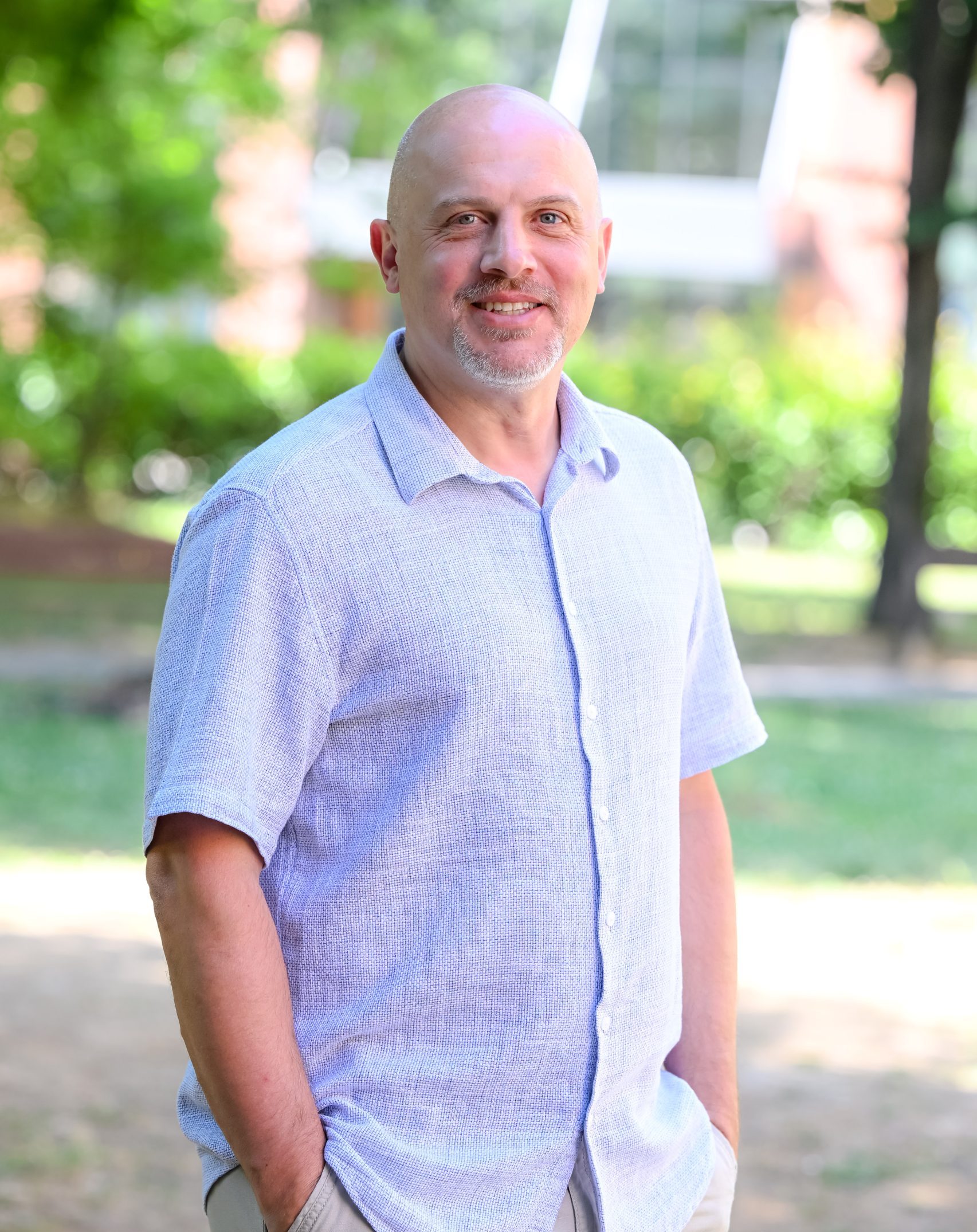
 Prof. Dr. Rade Rajkovcevski is the Head of the Secretariat of the Disaster Preparedness and Prevention Initiative for South-Eastern Europe (DPPI SEE), a regional intergovernmental platform fostering cooperation among national civil protection authorities. In this capacity, he leads strategic efforts to enhance disaster preparedness and prevention across ten member states in the region.
Prof. Rajkovchevski also holds the academic title of Full Professor at the Faculty of Security – Skopje, part of St. Kliment Ohridski University (North Macedonia). His teaching and research are centered on Policing and Crisis Management. Since beginning his academic career in 2006, he has mentored numerous graduate and postgraduate students and contributed to the development of academic curricula that bridge theory and practice in the security sector.
Before entering academia, he gained hands-on experience through professional service in the military, civil protection, and private security sectors in both Southeast Europe and France. He graduated from the Military Academy in Skopje in 2002, earned a master’s degree in national security policy and conflict prevention in 2010, and PhD in 2013 with a focus on European police cooperation. His academic foundation is complemented by practical expertise, making him a recognized voice in regional security and crisis response discourse.
Over the years, Prof. Rajkovchevski has participated in, led, or evaluated numerous international projects and capacity-building initiatives supported by the European Union (including FP7, DG ECHO/UCPM, COST, and IPA Interreg CBC), the World Bank, UNDP, UNDRR, UNFPA, the Council of Europe, GIZ, the Red Cross societies, the MARRI Regional Centre, and others. His contributions span a diverse set of thematic areas including disaster risk governance, humanitarian standards, policing and the integration of gender perspectives in disaster and security contexts.
He is frequently invited as a speaker, evaluator, or subject-matter expert at international conferences, simulation exercises, and policy forums, contributing to the advancement of regional and global resilience agendas. Through his work, he advocates for inclusive, evidence-based approaches to risk reduction management, and continues to foster strong networks of cooperation between academia, government institutions, civil society and international organizations.